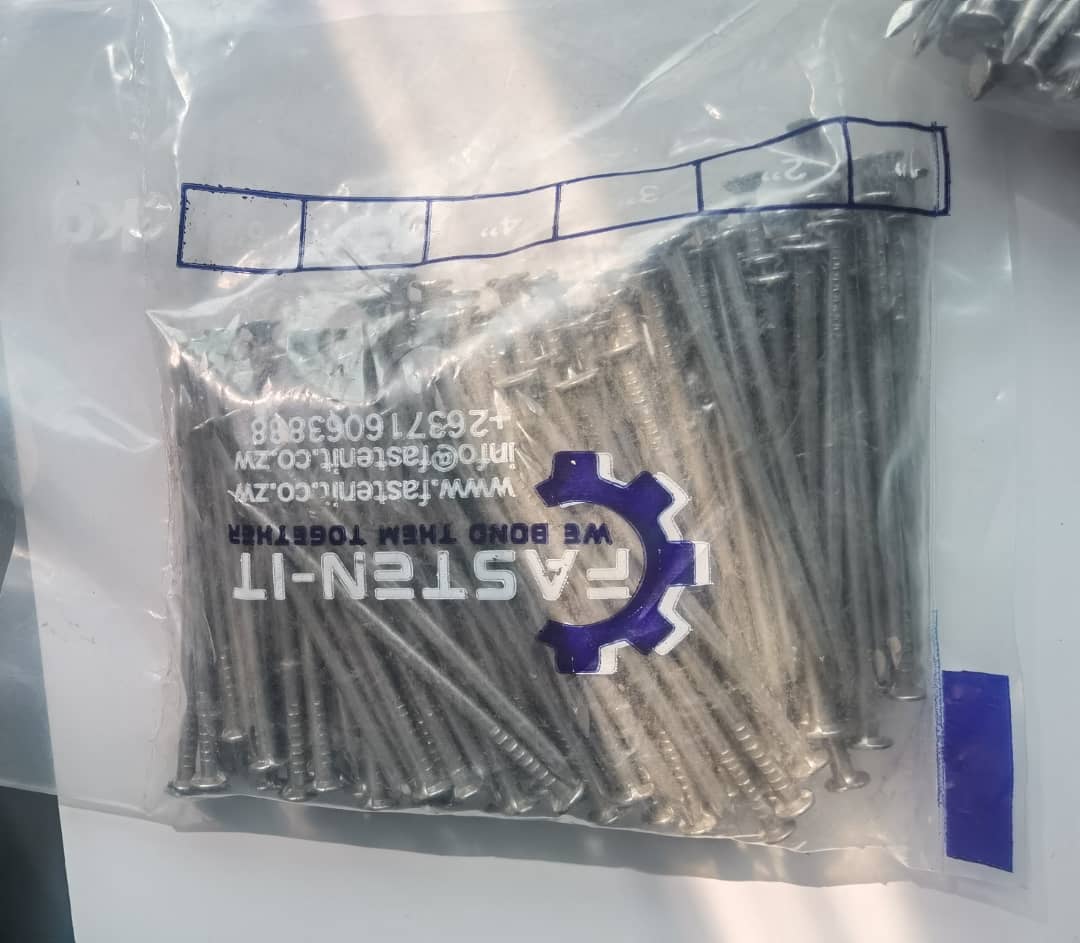
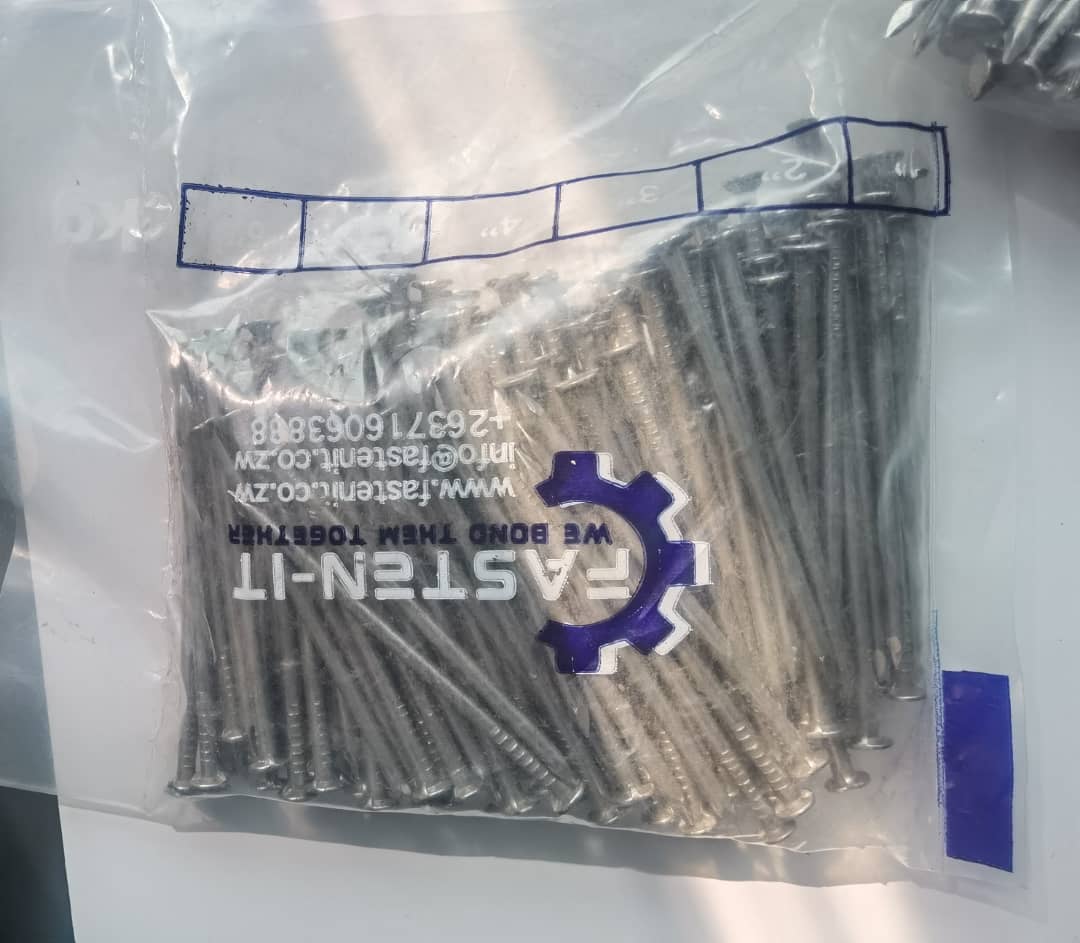
Description
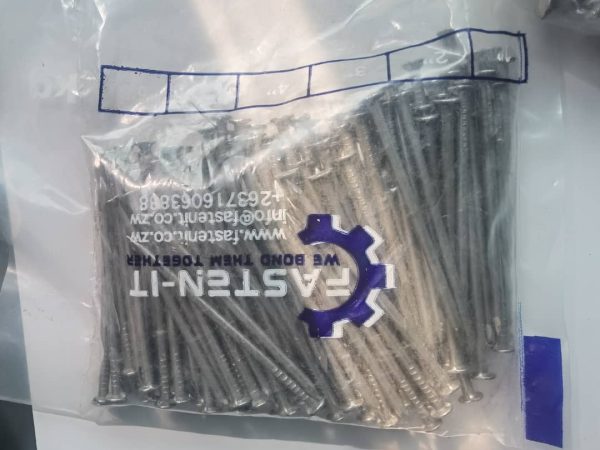
Common Nails are one of the most widely used types of nails, especially in construction, woodworking, and other general-purpose applications. They are designed for fastening wood and other materials and are typically larger and stronger than other types of nails. Below is a detailed overview of common nails, including their features, uses, sizes, and more.
What Are Common Nails?
Common nails are steel nails with a flat, broad head and a smooth or slightly textured shank. They are used primarily for basic fastening tasks, such as joining pieces of wood together in construction and carpentry. They come in various sizes and lengths, making them versatile for a range of applications, from framing to general repairs.
Key Features of Common Nails
- Flat Head:
- The flat head allows for easy driving with a hammer, and it provides a larger surface area for holding the nail firmly in place.
- Smooth or Spiral Shank:
- Common nails generally feature a smooth shank, but some versions may have a spiral or ringed shank for added grip and holding power.
- Steel Composition:
- Most common nails are made from steel, though they may be coated or galvanized to prevent rusting, especially in outdoor or moisture-prone environments.
- Standard Lengths and Diameters:
- Common nails come in a wide range of lengths (typically measured in inches) and diameters (gauge). The larger the length and gauge, the stronger the nail.
Types of Common Nails
While “common nails” typically refers to a broad category, there are specific variations based on their coating, material, or design:
- Uncoated Common Nails:
- These are regular steel nails with no special coatings, typically used for indoor applications where rust and corrosion are less of a concern.
- Galvanized Common Nails:
- These nails have a layer of zinc coating to prevent rust, making them ideal for outdoor applications, such as exterior framing or in moist environments.
- Ring-Shank Common Nails:
- These nails have rings along the shank, providing additional holding power. They are commonly used in applications where additional strength is required, such as framing or decking.
- Smooth Shank Common Nails:
- These are the most basic and common variety of nails, ideal for general wood-to-wood applications where extreme holding power is not required.
Sizes of Common Nails
Common nails come in a range of sizes, with the length being one of the primary factors determining the type of job they’re suitable for. Some of the most common sizes include:
- 6d (2-inch) Common Nails:
- Often used for smaller framing tasks, such as attaching trim or other light carpentry projects.
- 8d (2.5-inch) Common Nails:
- A versatile size, used for tasks like light framing, decking, or attaching siding.
- 10d (3-inch) Common Nails:
- A standard size for general framing, particularly in residential construction.
- 12d (3.25-inch) and 16d (3.5-inch) Common Nails:
- These larger nails are typically used for framing and structural applications, such as building the frame of a house.
- 20d and 30d Common Nails:
- Larger nails used in heavy-duty construction, such as for securing large beams or framing walls.
Applications of Common Nails
- Framing:
- Common nails are widely used for framing walls, floors, and roofs in residential and commercial construction. Larger sizes like 16d nails are typically used for framing tasks.
- Decking and Outdoor Projects:
- Galvanized common nails are often used in decking, fences, and other outdoor construction projects to prevent rust.
- Woodworking:
- In woodworking, common nails are often used for assembling furniture, cabinets, or other wood structures.
- General Repairs:
- Small common nails (like 6d or 8d) are commonly used for general repairs or small carpentry tasks around the home.
- Siding and Trim Work:
- Common nails are often used to secure siding, baseboards, and trim boards to the structure of a house or building.
Benefits of Common Nails
- Strong Holding Power:
- Due to their size and design, common nails provide a strong and reliable hold for most woodworking and construction tasks.
- Easy to Use:
- The flat head and smooth shank make them easy to drive into materials, even for those with minimal experience in carpentry.
- Versatility:
- Common nails are versatile and can be used in many different applications, including both interior and exterior projects.
- Cost-Effective:
- Common nails are one of the most affordable fastening options, especially when used for general-purpose applications.
- Availability:
- They are widely available in hardware stores and are a staple in both professional and DIY toolkits.
Safety Considerations
- Wear Safety Gear:
- Always wear safety glasses or goggles when using nails to protect your eyes from flying debris or nails that might miss the target.
- Hammering Technique:
- Always hold the hammer correctly and use the appropriate force when driving nails to avoid injury or damaging the material.
- Proper Handling:
- Avoid leaving nails exposed on the floor, as they can pose a tripping hazard.